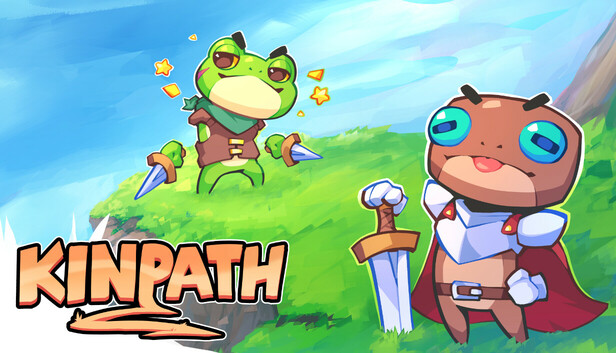
KINPATH BANNER ARTWORK

KinPath

💼 Role
Game & Level Designer Intern
📅 Timeline
May 2024 – Sep 2024
🏢 Studio
Turtle Knight Games

"Throughout his time with us, Daniel has shown dedication, creativity, and a passion for game design. His contributions have been valuable to our projects, and we believe that his skills and enthusiasm will support his future success in the industry."

— Eduard Dobermann (Game Designer and Founder of Turtle Knight Games)

Overview

KinPath is a multiplayer micro RPG autobattler where players lead generations of brave frogs on a journey of growth, exploration, and legacy-building.

During my internship at Turtle Knight Games, I played a key role in structuring the game's underlying math and progression. Working directly with the core design team, my primary focus was designing the core progression loop and building out the foundational spreadsheets to balance character classes, enemy stats, and the in-game economy. In addition to KinPath, I was also trusted to conceptualize mechanics and develop paper prototypes for two other unannounced roguelike projects.
My Responsibilities & Impact

Development Deep Dive

1. Designing the Generational Loop

  • The Challenge: The game requires players to plan an adventure across multiple generations of characters, meaning progression needed to feel meaningful both in the short term (one run) and the long term (the family legacy).
  • The Execution: I focused heavily on balancing the distribution of treasures, resources, and skill unlocks so that even if a player's current frog fell to a mysterious foe, the overall legacy progression felt satisfying and fair.

2. Balancing the Autobattler Economy

Autobattler Economy Main Map
  • The Process: Because autobattlers rely heavily on under-the-hood math, I built extensive foundational spreadsheets to track stat scaling. I mapped out the mathematical scaling for character stats, enemy health/damage, and item economies to ensure the difficulty curve felt rewarding as players progressed through different zones.

3. Designing Dynamic Final Arenas

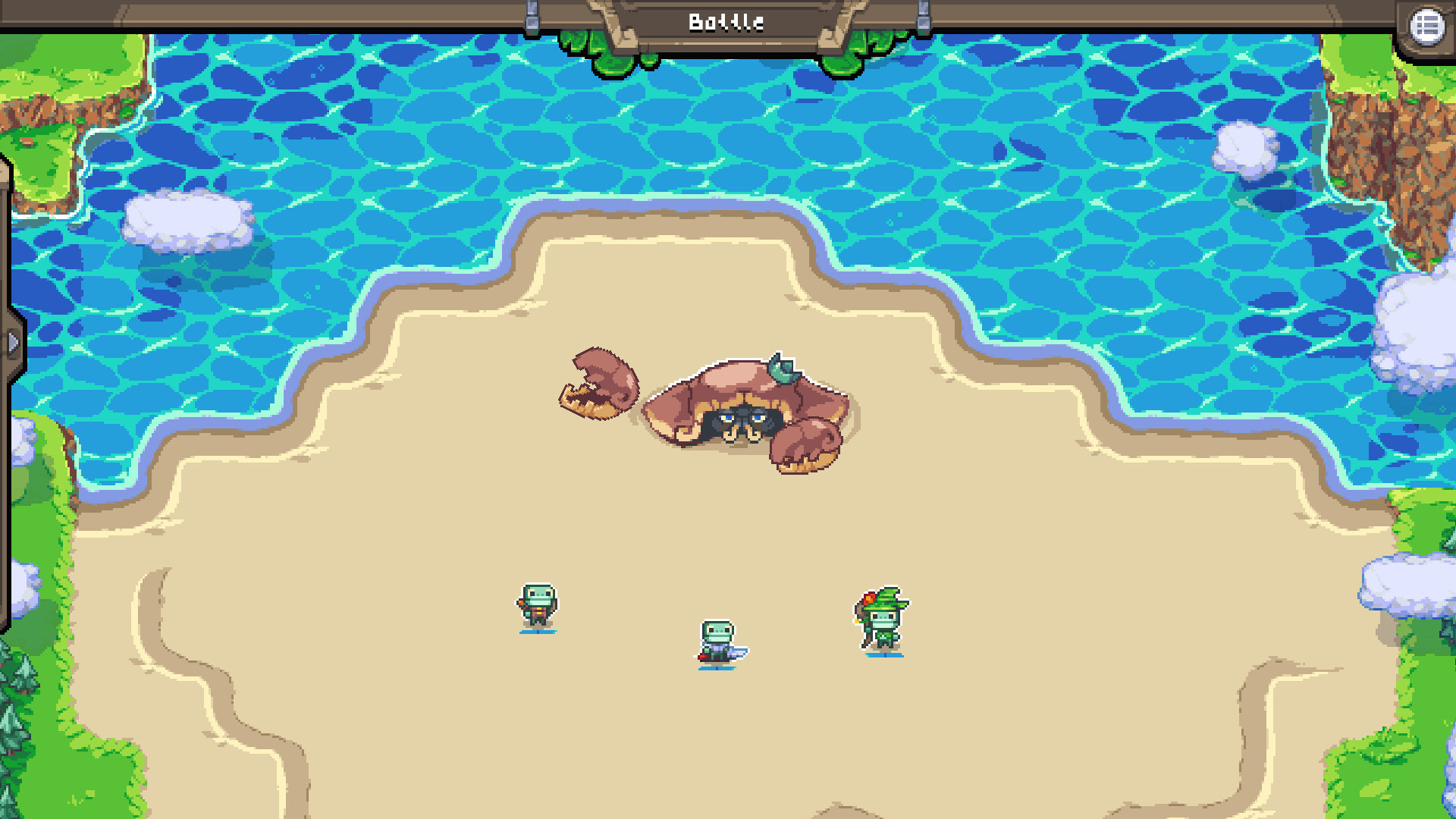
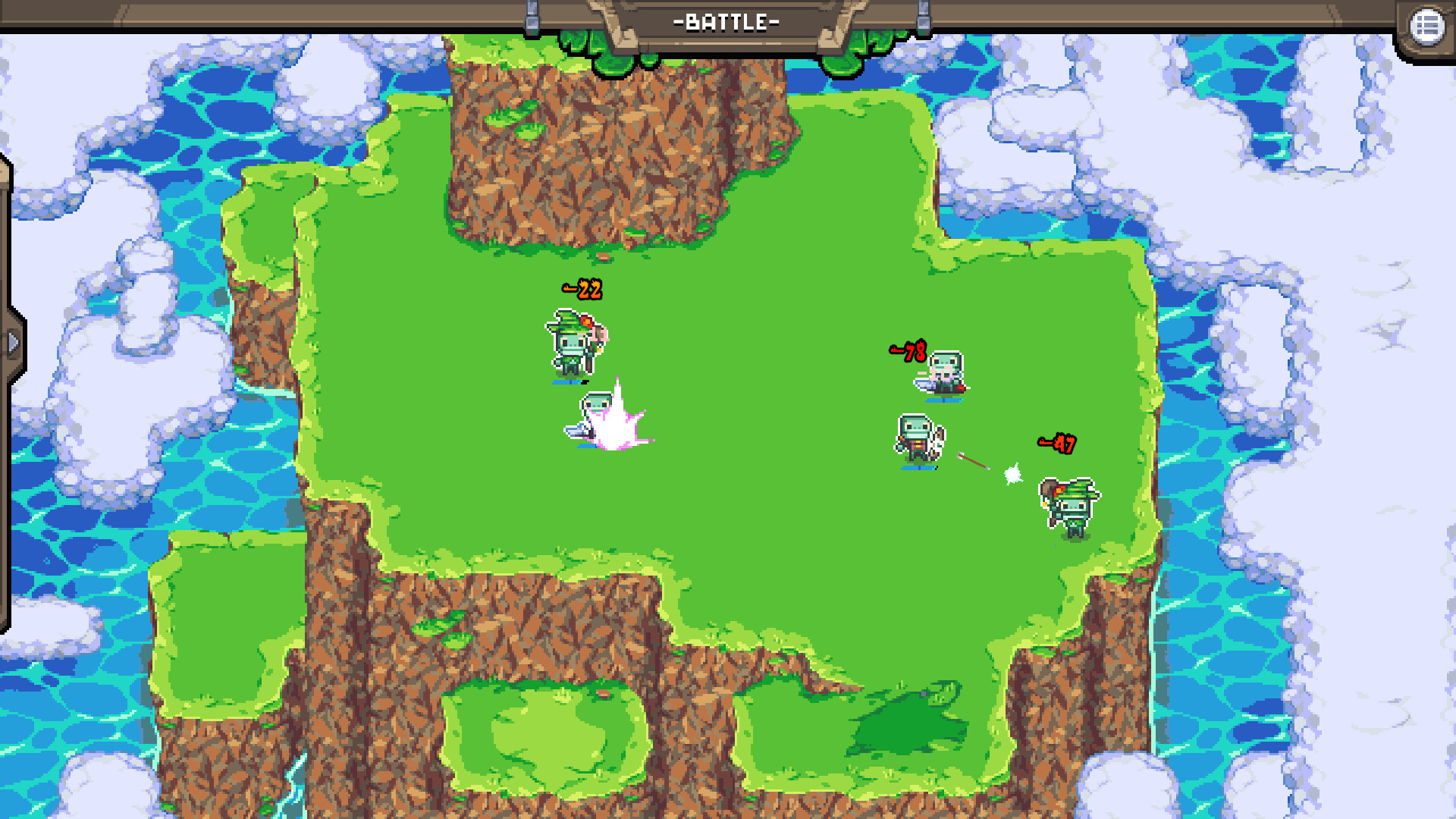
Dynamic Arena Preview
  • The Challenge: After the player completes their generational journey across the map, they are transferred into a multiplayer arena. Having the exact same standard fight at the end of every successful run would quickly make the endgame feel stale and repetitive.
  • The Execution: To solve this, I designed multiple arena types with completely different rules and conditions. Depending on the run, players might be thrown into a chaotic Free-for-All where they fight each other, or they might suddenly have to team up to defeat a massive cooperative boss. This variety forced players to build their frogs not just for the journey, but for unpredictable endgame scenarios.